Nebraska's Premier Hidden Secret: Why Epoxy Flooring is the Perfect Selection
As for regarding property enhancement & renovations in Omaha, many homeowners overlook an extraordinary opportunity that can completely revamp their areas: the use of epoxy flooring. This flexible and sturdy flooring solution is more than a practical choice for garages and commercial settings; it also brings a elegant and contemporary aesthetic to residential areas. If you're looking to update your garage, improve your basement, or even enhance a business space, epoxy floor coating offers a variety of benefits that make it an ideal pick for any project.
Picture walking into a newly renovated garage with a stunning metallic epoxy finish or an easy-to-clean surface that can tolerate the heavy use of daily activity. With choices like moisture-resistant floor coating and slip-resistant floor coating, epoxy flooring ensures security and functionality without compromising on style. In this piece, we will explore why epoxy flooring is Omaha's best-kept secret, delving into its advantages, installation procedure, and how it can cater to the distinct needs of both home and commercial spaces. Get ready to learn how epoxy flooring can elevate your home or business to the next level.
Benefits of Epoxy Flooring
Epoxy surfaces offers a high level of durability, making it a perfect choice for many environments, including garages, industrial areas, and business locations. This heavy-duty floor coating is designed to tolerate frequent use, impacts, and abrasions, ensuring that your floors continue in great condition for a long time. Additionally, when it comes to maintenance, an epoxy floor is simple to wash, allowing you to maintain its look with minimal effort.
Another significant advantage of epoxy flooring is its aesthetic appeal. With variations like 3D epoxy flooring and metallic garage epoxy, you can enhance the aesthetics of your area considerably. This flexibility allows home dwellers and business owners alike to pick styles that showcase their individual style or business image. Whether you need a sleek showroom floor or a inviting ambiance for a restaurant kitchen, epoxy flooring can be tailored to meet your particular requirements.
Security is also a critical consideration with epoxy flooring. A non-slip floor coating can be used to minimize the likelihood of falls and stumbles, making it suitable for residential areas and work environments like car repair shops and food establishments. Furthermore, Epoxy floor installation quote, provides resistance to chemicals, making it an excellent choice for environments prone to leaks and marks. With a waterproof floor coating, you can shield your surfaces from moisture damage, prolonging the life of your floors and improving their overall performance.
Types of Epoxy Flooring
Epoxy floors comes in several types, each engineered to meet individual needs and preferences. A widely favored choice is metallic epoxy flooring, which delivers a stunning, high-gloss surface which creates a visually appealing aesthetic. This type is frequently used in home settings or showrooms to elevate aesthetics while offering long-lasting quality. Metallic epoxy can also be customized with various hues and designs, enabling homeowners and business owners to express their style.
A different popular type is commercial epoxy flooring, that is engineered to handle intense pedestrian traffic and withstand chemicals. basement epoxy floors, of flooring is suitable for commercial establishments such as eateries and mechanic shops, where liquid spills and stains are common. Featuring an low-maintenance area and ability to withstand, this flooring enables sustain a tidy look while reducing maintenance costs.
For outdoor areas or areas prone to water exposure, a waterproof coating provides the essential protection. Garage floor epoxy, for example, offers outstanding moisture protection and slip resistance, which makes it ideal for home garage makeovers. This type of epoxy not only boosts the appearance of a garage but also ensures security and durability against the dangers of oil spills, chemical exposure, and water exposure.
Epoxy Flooring Installation
The application of epoxy flooring involves several key phases to ensure a long-lasting and attractive finish. First, the substrate must be thoroughly prepared. This includes cleaning, repairing any fissures or damages, and sometimes grinding the concrete to create a textured surface that helps the epoxy stick better. Proper preparation is crucial as it establishes the groundwork for a durable epoxy floor coating.
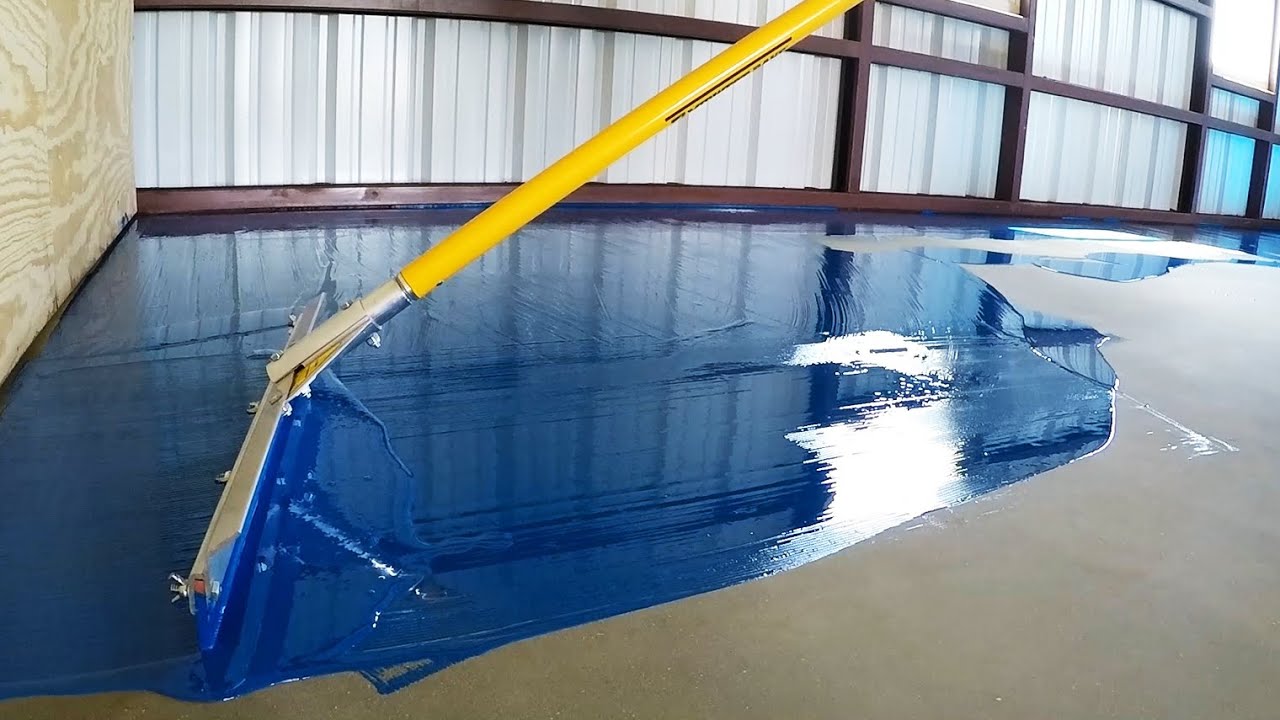
Once the surface is ready, the epoxy floor installation starts. The epoxy resin is combined with curing agent and spread to the surface. Depending on the desired look and function, various options such as metallic epoxy, 3D epoxy, or slip-resistant additives can be added during this stage. It is crucial to work swiftly since epoxy has a limited pot life, and the application must be done smoothly to avoid bubbles and flaws.
After the epoxy has been applied, it needs time to cure properly. This curing process can take anywhere from a few days to a full week, depending on the particular product used and the environment in the area. During this period, it is essential to keep the area clear of foot traffic to ensure a flawless finish. Once cured, the epoxy flooring will be prepared for use, offering a stunning and practical surface that is easy to clean and look after.
Cost and Maintenance
When evaluating epoxy flooring, one of the most important factors to evaluate is the price of installation. The cost can vary based on the kind of epoxy floor coating picked, the complexity of the project, and the area being finished. For instance, garage floor epoxy might be more budget-friendly than commercial epoxy flooring due to variations in scale and specifications. To get an accurate assessment, asking for an epoxy floor installation quote will provide clarity on your specific needs and financial plan.
Upkeep of epoxy floors is somewhat straightforward, making them an excellent choice for both residential and commercial settings. With their simple-to-maintain surfaces, spills and stains can be removed with minimal effort, ensuring that your flooring remains immaculate over time. Additionally, the waterproof floor coating feature of epoxy flooring defends against moisture damage, further reducing maintenance concerns, especially in areas like basements and garages.
Additionally appealing aspect of epoxy flooring is its long-lasting nature. Depending on the exact type of epoxy, such as metallic epoxy garage floor or industrial floor coating, these surfaces can last many years with appropriate maintenance. Typical lifespan ranges between five to ten years, but some formulations might go beyond this with the right upkeep. Understanding the duration of your selected system will help you plan for future renovations and ensure you take advantage of any epoxy flooring special offers provided when it’s time for an upgrade.
Comparing Epoxy with Other Options
While considering flooring options, it's important to weigh the advantages of epoxy against its counterparts. Traditional flooring materials such as vinyl, tile, and carpet have been widely used for residential and commercial spaces. Yet, these materials often require increased maintenance and can experience issues such as staining, water damage, and wear over time. On the other hand, epoxy flooring provides unparalleled durability, making it an outstanding investment for high-traffic areas.
Another common alternative is polyurethane flooring. Although polyurethane can offer a versatile surface and is appropriate for some applications, it typically lacks the chemical resistance that epoxy provides. For environments like auto shops, kitchens, and industrial settings, where spills and harsh chemicals are a risk, epoxy's waterproof and chemical-resistant properties make it a far superior choice. Additionally, epoxy flooring tends to be easier to clean, maintaining its aesthetic appeal with little effort.
Lastly, when comparing epoxy to concrete stains or sealers, the difference is obvious. Concrete stains typically provide limited protection and can require frequent reapplication. Epoxy floor coatings, on the other hand, adhere with the concrete, forming a robust barrier that stands up to wear and tear. For those in search of a durable, high-quality flooring solution, epoxy is the definitive winner, providing not only style but also functionality for various space, from garages to commercial facilities.