Revamp Your Environment: Discovering the Advantages of Polymer Coatings
Whether you are you are looking to improve your home or commercial area, epoxy-coated floors could be the ideal option for your needs. This flexible flooring option has gained recognition for its impressive appearance and remarkable durability. You might want to change your garage with a stylish garage floor epoxy finish or achieve a polished appearance in your basement with basement epoxy flooring, the advantages of epoxy floors are difficult to overlook.
Epoxy floors merges visual appeal with practicality, providing a seamless surface that can resist intensive foot traffic, spills, and stains. Not only does it improve the visual appeal of your space, it also provides protection, making it an excellent choice for both residential and commercial environments. In this article, we will discuss how epoxy flooring can truly change your space and the many perks it brings.
What’s Epoxy Flooring?
Epoxy flooring is known as a type of flooring solution that consists of several layers of epoxy deposited on a concrete surface. Epoxy as a material is a type of resin that creates a durable and resilient layer mixed with a hardener. This mix creates a strong bond that resists heavy foot traffic and is resistant to damage from different chemicals, thus being an ideal choice for numerous uses.
A key feature of epoxy floors is the their ability to create a seamless surface that is both attractive and functional. This flooring option is available in a variety of color choices and finishes, giving homeowners and business owners to design their spaces according to their preferences. The reflective surface of epoxy floors not only enhances the aesthetic appeal but also assists in reflect light, resulting in a more illuminated space.
Epoxy flooring is frequently employed in garages, basements, and commercial spaces due to its resilience and low maintenance requirements. Epoxy flooring special offers, , for example, is tailored to handle the weight of vehicles and repel stains from oil or different substances. Similarly, basement epoxy flooring provides a waterproof barrier, protecting the underlying concrete from moisture while also creating a stylish and easy-to-clean finish.
Advantages of Epoxy Flooring
Epoxy flooring offer remarkable strength that makes them an superb choice for both home and commercial spaces. This flooring option can withstand heavy foot traffic, shock, and abrasion, which is particularly advantageous for settings like workshops or storage facilities. With epoxy, you can be confident that your floors will preserve their look and performance over time, reducing the need for regular repairs or upgrades.
In addition to durability, epoxy flooring is extremely resistant to spills and mess. This characteristic is important for spaces that are prone to spills, such as cellars and workshops. Epoxy floor installer, is simple to maintain and does not soak up liquids, which means that any accidents can be cleaned up without leaving behind unsightly marks. This characteristic not only enhances the visual appeal of the space but also adds to a more sanitary setting.
Another major advantage of epoxy floors is their versatility in design. Available in a variety of colors, patterns, and textures, epoxy can be tailored to match any decor style. Whether you desire a smooth look for your commercial space or a more textured finish for a residential basement, epoxy flooring can fulfill those requirements. This adaptability allows homeowners and entrepreneurs alike to create a one-of-a-kind and attractive atmosphere in their environments.
Uses of Resin Flooring
Epoxy flooring is highly adaptable and can be applied in multiple locations, making it an excellent choice for both home and commercial areas. One of the widely known applications is in carports, where garage floor epoxy creates a robust and visually pleasing surface that can endure heavy vehicles and machinery. Its resistance to oil spills and stains makes it notably suitable for this environment, providing both usability but also boosting the overall look of the garage.
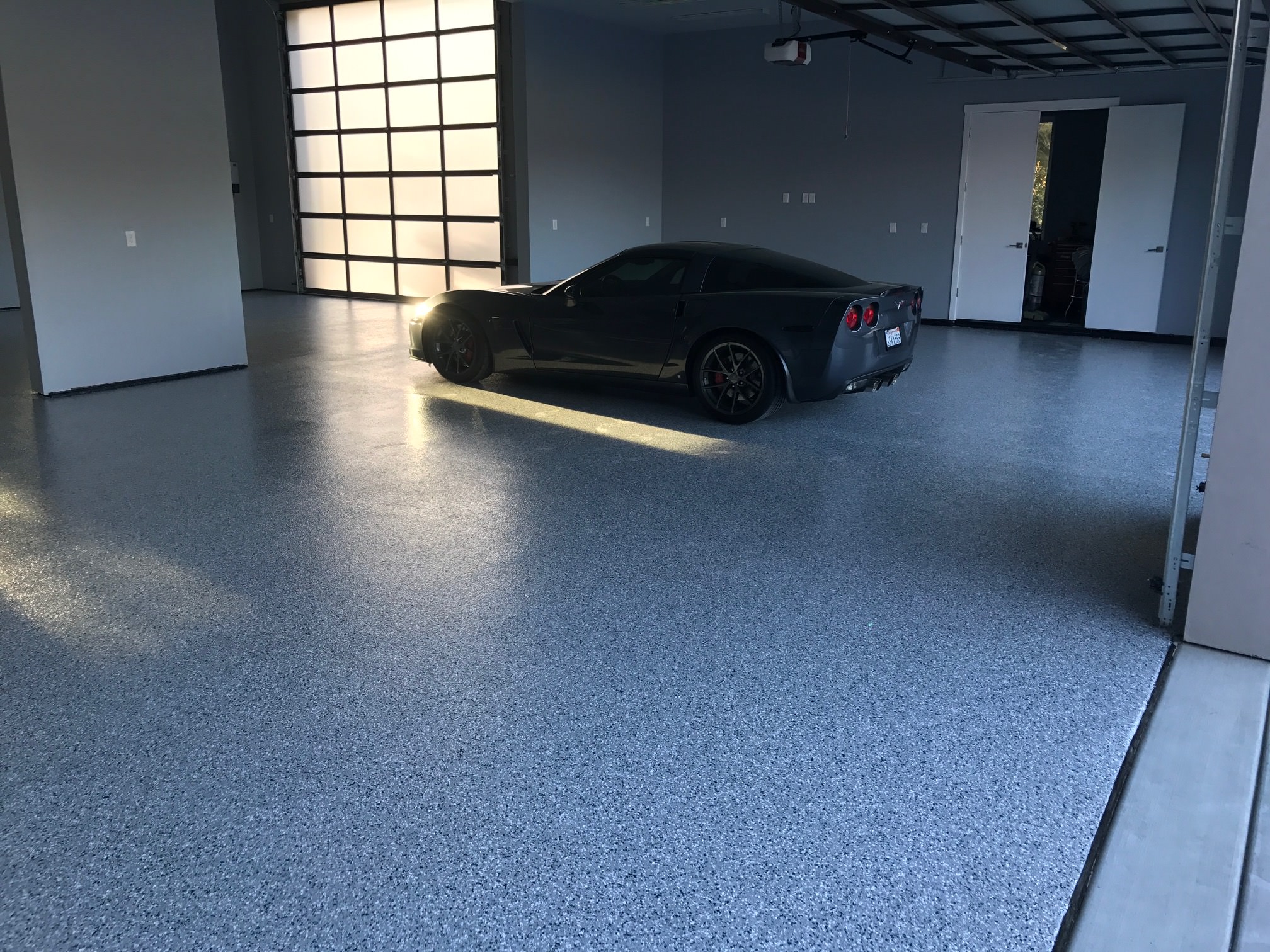
In addition to carports, basement epoxy flooring is gaining popularity due to its capability to resist moisture and mold. Basements often face issues with dampness, which can lead to deterioration of traditional flooring materials. Epoxy floors provide a smooth, liquid-repellent surface that is convenient to clean, making them suitable for transforming basements into usable areas, such as recreational rooms or workspaces.
Commercial settings are yet another area where epoxy flooring excels. Retail shops, restaurants, and warehouses benefit from the resilience and ease of maintenance provided by epoxy floors. These surfaces can handle heavy foot traffic and equipment while offering personalized designs that can enhance the identity and ambiance of a business. The non-slip options available further add to security, making epoxy flooring a sensible choice for different industrial applications. spintax ### Epoxy Flooring Installation
Installing of epoxy flooring involves several key steps which ensure durability and a professional finish. First, the surface preparation is crucial. This entails washing the floor thoroughly to remove any dust, grease, or contaminants. If the floor has current coatings, these must be removed as well. For concrete surfaces, grinding or shot blasting is often employed to create a rough texture, allowing the epoxy to bond effectively.
Once preparing the surface, the next step is to combine the epoxy resin and hardener in the correct ratios. This mixture must be spread quickly due to the limited working time. Starting from a corner, the epoxy is poured and spread using a squeegee or roller, ensuring even coverage. It's crucial to work in sections to maintain a wet edge, which assists in attaining a seamless finish. Depending on the desired finish, decorative flakes or colors can be incorporated at this stage.
When the epoxy is applied, it must have time to cure properly. The curing process typically takes approximately 72 hours, but it may vary based on temperature and humidity. During this time, it's important to keep the area well-ventilated and free from any foot traffic. Following curing, the epoxy floors are not only aesthetic but also extremely tough, making them suitable for multiple spaces, including garages and basements.
Maintenance Tips
For optimal upkeep of the epoxy flooring staying at its best, regular cleaning is crucial. Employ a soft broom or a vacuum with a soft brush attachment to remove dust and debris. To clean more thoroughly, a mop with a mild pH-neutral cleaner is recommended. Do not use harsh chemicals that can damage the epoxy surface. A routine cleaning schedule will help maintain the shine and prevent buildup of dirt and grime.
In addition to regular cleaning, it's vital to address spills promptly. Even though epoxy floors are resistant to stains, allowing substances such as oil or food on the surface can result in discoloration over time. Wipe up spills with a soft cloth or paper towel immediately after they occur to prevent any lasting effects. Doing this will help keep your garage floor epoxy or basement epoxy flooring pristine.
Finally, consider using area rugs in high-traffic zones to protect your epoxy floors from scratches and wear. These mats can take in impact and dirt, lengthening the life of your flooring. Also, be cautious with heavy furniture and equipment; using coasters or pads underneath can prevent scuff marks and damage. Using these tips, your epoxy floors will keep their beauty and durability for years to come.